

Table of contents
An oily scalp is one of the most common concerns reported in dermatology clinics. Many patients notice that their hair loses its fresh appearance just a few hours after washing, becoming heavy, flat, and greasy at the roots. In response, they often reach for harsh cleansing products or reduce how often they wash their hair, believing this will “train” the scalp to produce less sebum. In reality, these practices may have the opposite effect.
Modern dermatology emphasizes that the key to solving the problem is not aggressive removal of excess sebum, but restoring the scalp’s physiological balance, including proper sebaceous gland function and a healthy microbiome.
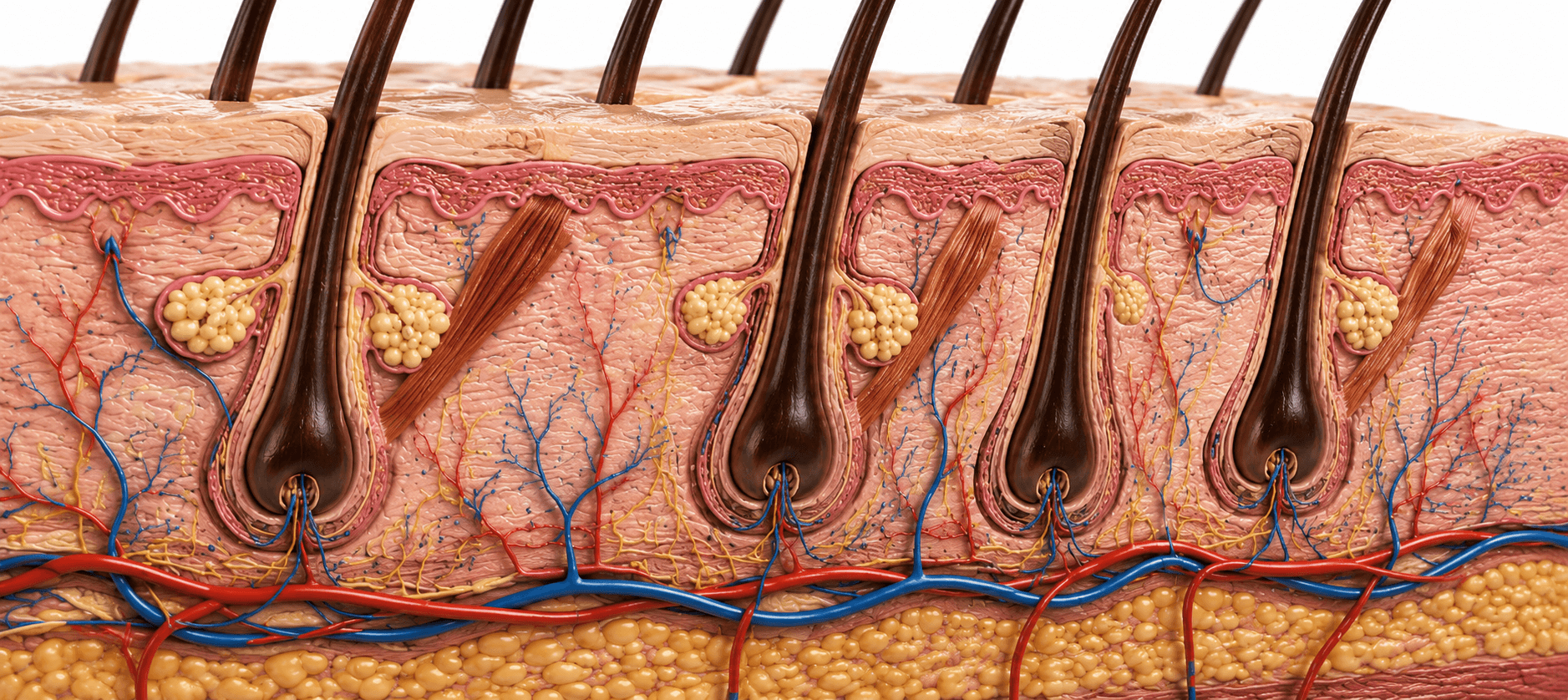
Why Does the Scalp Produce Sebum?
Sebum is the natural secretion of the sebaceous glands. Although it is often viewed only as a cosmetic problem, it performs essential protective functions. It forms a hydrolipid barrier that prevents excessive water loss, protects the skin from external factors, and supports a healthy microbiome.
Problems arise only when the sebaceous glands become overactive. Excess sebum accumulates on the scalp and hair, creating an environment that promotes microbial overgrowth and inflammation.
What Contributes to Excessively Oily Scalp?
There are many causes of increased sebum production, and several factors usually coexist.
Hormones—especially androgens—play the most important role by stimulating sebaceous gland activity. This is why the problem often worsens during puberty, hormonal changes, or certain endocrine disorders. Genetic predisposition is also important, as some individuals naturally have more active sebaceous glands.
Environmental and lifestyle factors include: chronic stress; a diet high in processed foods and simple sugars; environmental pollution; prolonged wearing of tight head coverings; and unsuitable hair care. Paradoxically, one of the most common reasons the condition worsens is the use of very harsh detergents. Excessively aggressive cleansing damages the skin’s protective barrier and may trigger a compensatory increase in sebum production.
The Scalp Microbiome – Why Is It So Important?
Growing evidence shows that scalp health is closely linked to microbiological balance. Billions of bacteria, fungi, and yeasts inhabit the skin surface, collectively forming the microbiome. Under normal conditions these microorganisms remain in balance. However, excess sebum can disrupt this ecosystem, encouraging the overgrowth of Malassezia yeasts, which is associated with inflammation, itching, and flaking.
Modern scalp care therefore focuses not only on removing excess sebum but also on supporting the natural microbiome and restoring the protective barrier.
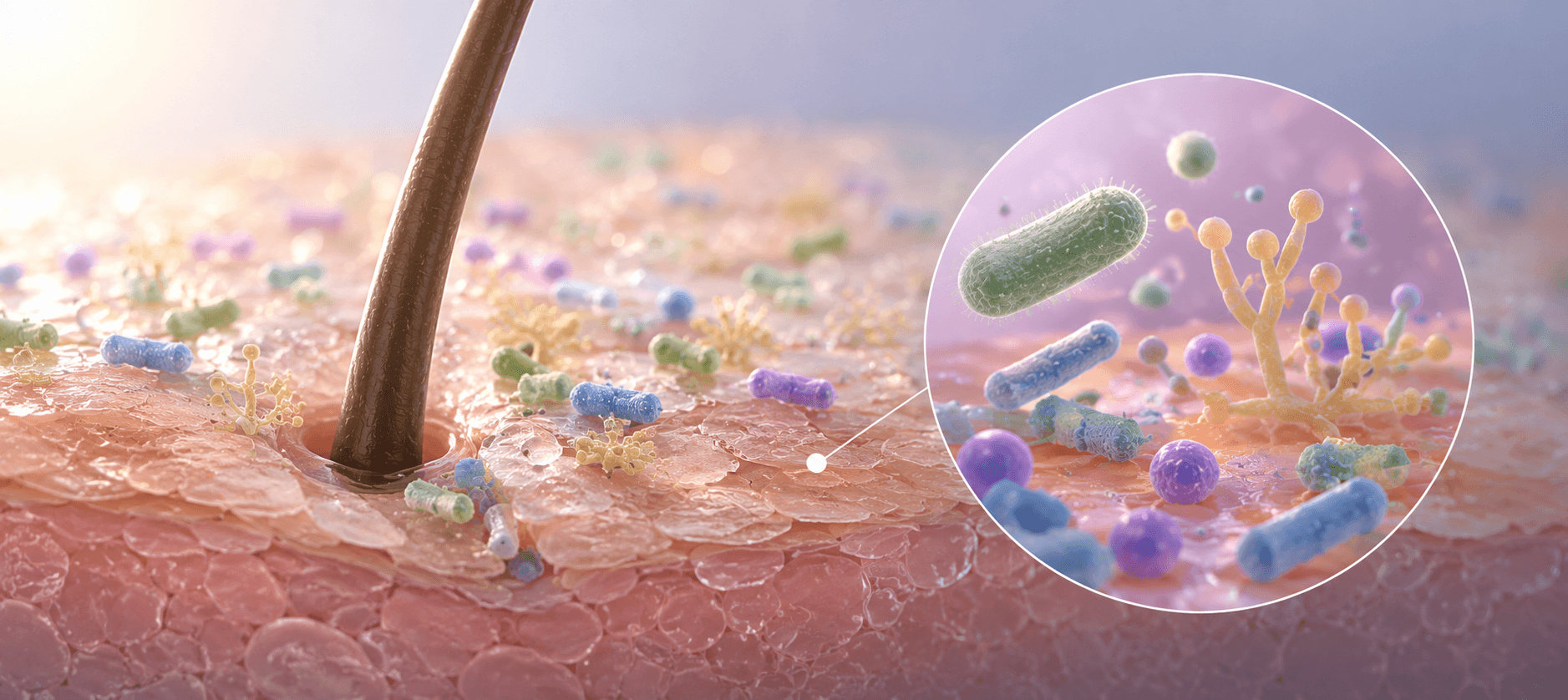
How Can Sebum Production Be Regulated Without Damaging the Skin Barrier?
Effective care for an oily scalp should reduce excessive sebum production while maintaining hydration. Gentle cleansers and active ingredients that regulate sebaceous gland activity and support microbiome balance are recommended.
Ingredients That Support an Oily-Prone Scalp Niacinamide (vitamin B3) is one of the best-studied sebum-regulating ingredients. It reduces sebaceous gland activity, helps control inflammation, restores the hydrolipid barrier, and improves epidermal function.
Prebiotics support beneficial skin microflora and help rebuild the scalp’s natural ecosystem. Amino acids, natural components of the Natural Moisturizing Factor (NMF), maintain hydration, strengthen the skin barrier, and help prevent compensatory sebum production. Soothing and anti-inflammatory ingredients further reduce discomfort and support regeneration.
Does Frequent Hair Washing Increase Oiliness?
There is no scientific evidence that frequent hair washing itself increases sebum production. Daily washing is appropriate if the scalp requires it, provided mild, well-formulated products are used. Regular cleansing removes excess sebum, pollutants, and styling product residue while reducing the risk of inflammation.
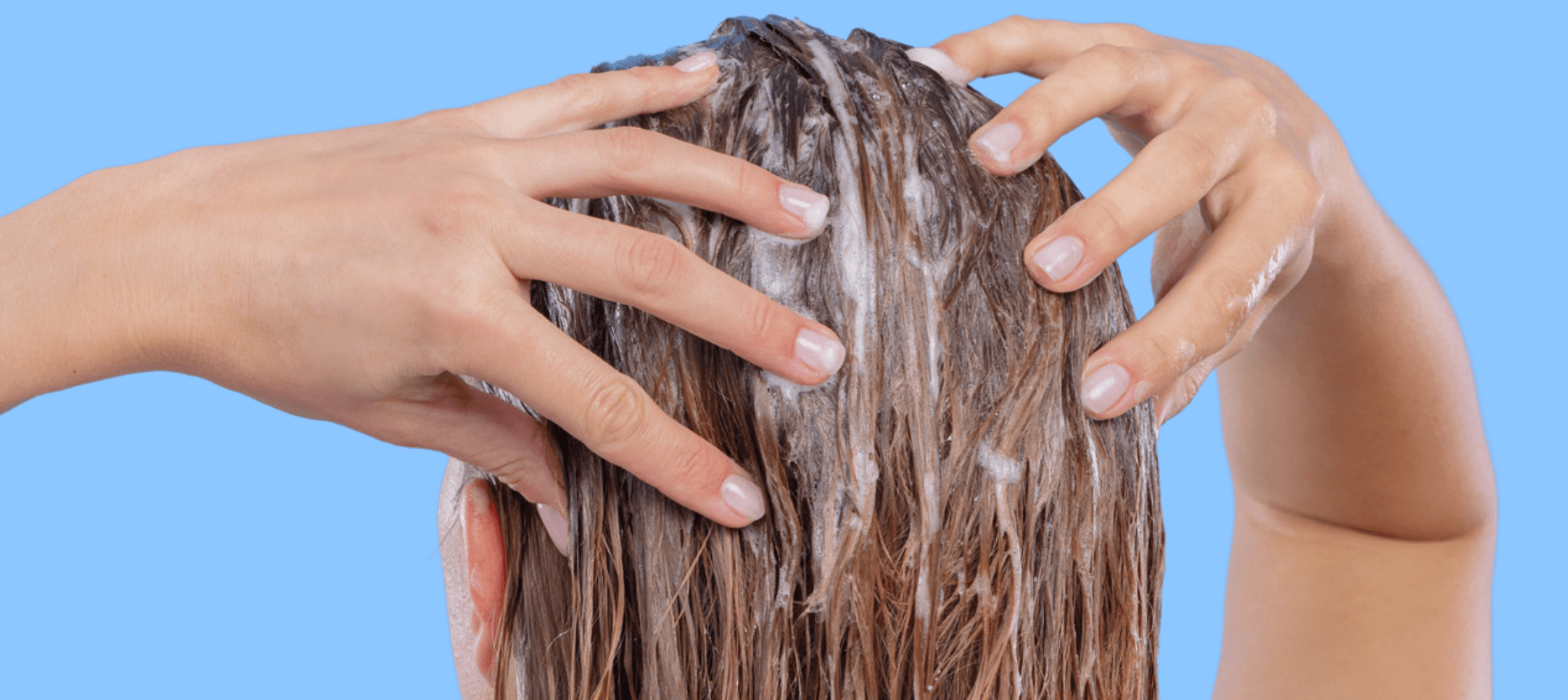
What Should a Daily Hair Care Routine Look Like?
Care for an oily scalp should be consistent and gentle. Products intended for frequent use that contain mild cleansing agents together with niacinamide, prebiotics, and amino acids effectively cleanse while supporting the skin barrier and microbiome. Improvement usually becomes noticeable after several weeks of consistent use.
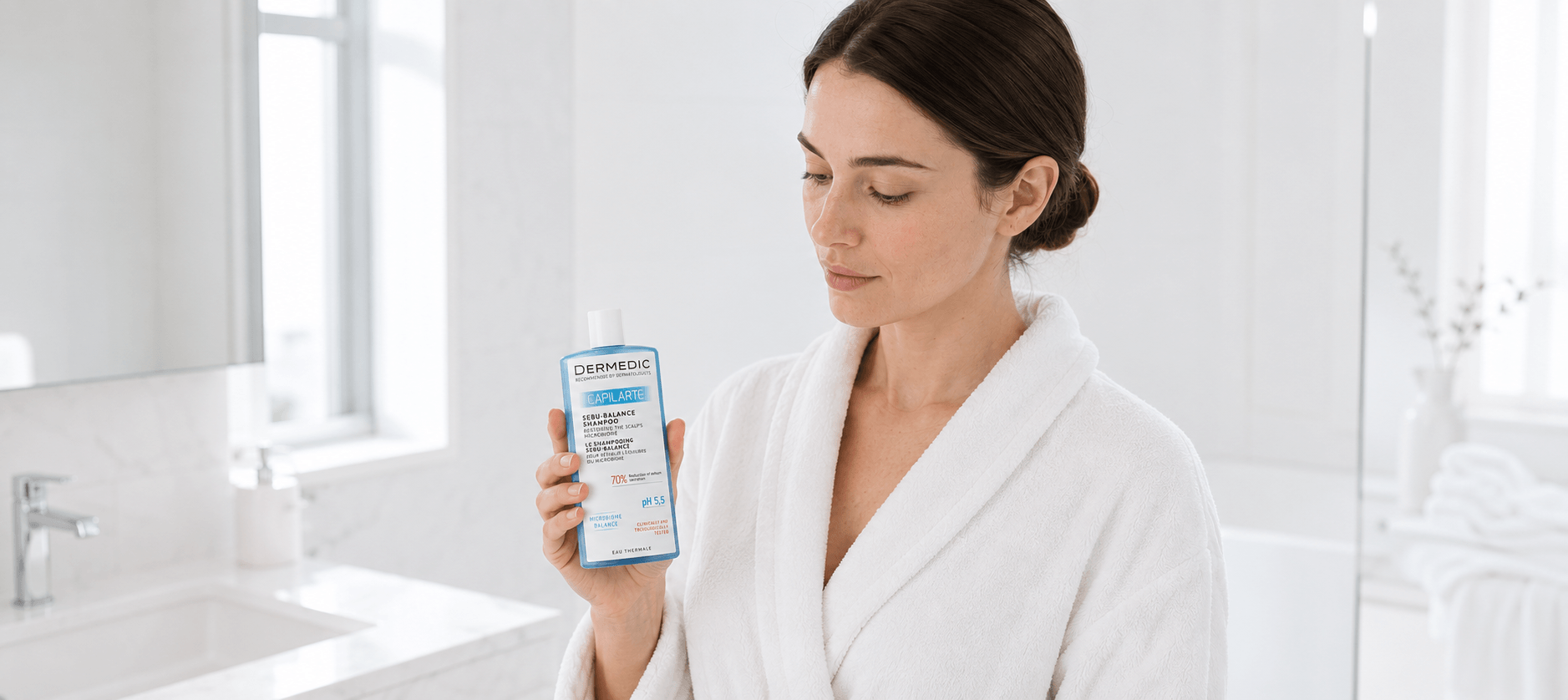
Summary
An excessively oily scalp is not merely a cosmetic issue but a sign of disrupted skin balance. Instead of aggressive cleansing, modern care focuses on restoring the hydrolipid barrier and microbiome. Evidence-based ingredients such as niacinamide, prebiotics, and amino acids help regulate sebum production, support the skin’s natural microflora, and improve the long-term condition of the scalp and hair.

.png?width=416&height=256&name=zdj%C4%99cie%20wyr%C3%B3%C5%BCnione%20blog%20(38).png)





















.webp?width=1600&height=442&name=Group%2090%20(1).webp)


